Socks are knit, not sewn. A circular knitting machine turns yarn into a seamless tube in a few minutes, the toe is closed either on separate equipment or as part of an integrated machine sequence, and steam pressing over a foot form gives the sock its final shape. That's the whole trick, and it's also why sock manufacturing rewards factories that control tension, color, and consistency at every step.
This guide walks through the seven steps of sock production, how long the process takes, and what actually drives the cost. It's written for brand teams and buyers who want to understand what happens to their order after the brief - if that's the position you're in, our custom sock manufacturing buyer's guide covers the commercial side in the same depth.
Step 1: Yarn selection
Every sock starts on a cone of yarn, and the blend decides most of what the sock will feel like. The workhorse materials of sock manufacturing:
- Cotton - combed or ring-spun - forms the body of most everyday, corporate, and fashion socks. It's breathable, soft, and takes dye well.
- Polyamide (nylon) adds durability and shape retention. Nearly every sock blend carries 5-15% polyamide, even products marketed as "100% cotton".
- Elastane is the stretch. A few percent woven through the sock keeps the cuff up and the fit snug wash after wash.
- Polyester blends wick moisture and dry fast, which is why performance and sports socks lean on them.
- Bamboo viscose is soft and breathable with a smooth hand feel, popular for premium everyday and eco-leaning lines.
- Mercerized and Egyptian cotton sit at the luxury end, with a subtle sheen and a finer touch for dress and designer socks.
A manufacturer worth working with will specify the exact composition per design, because the label, the feel, and the price all follow from it. We keep a standing yarn shelf from established Turkish mills and source specialty yarns against spec when a project calls for them.
Step 2: Pattern programming
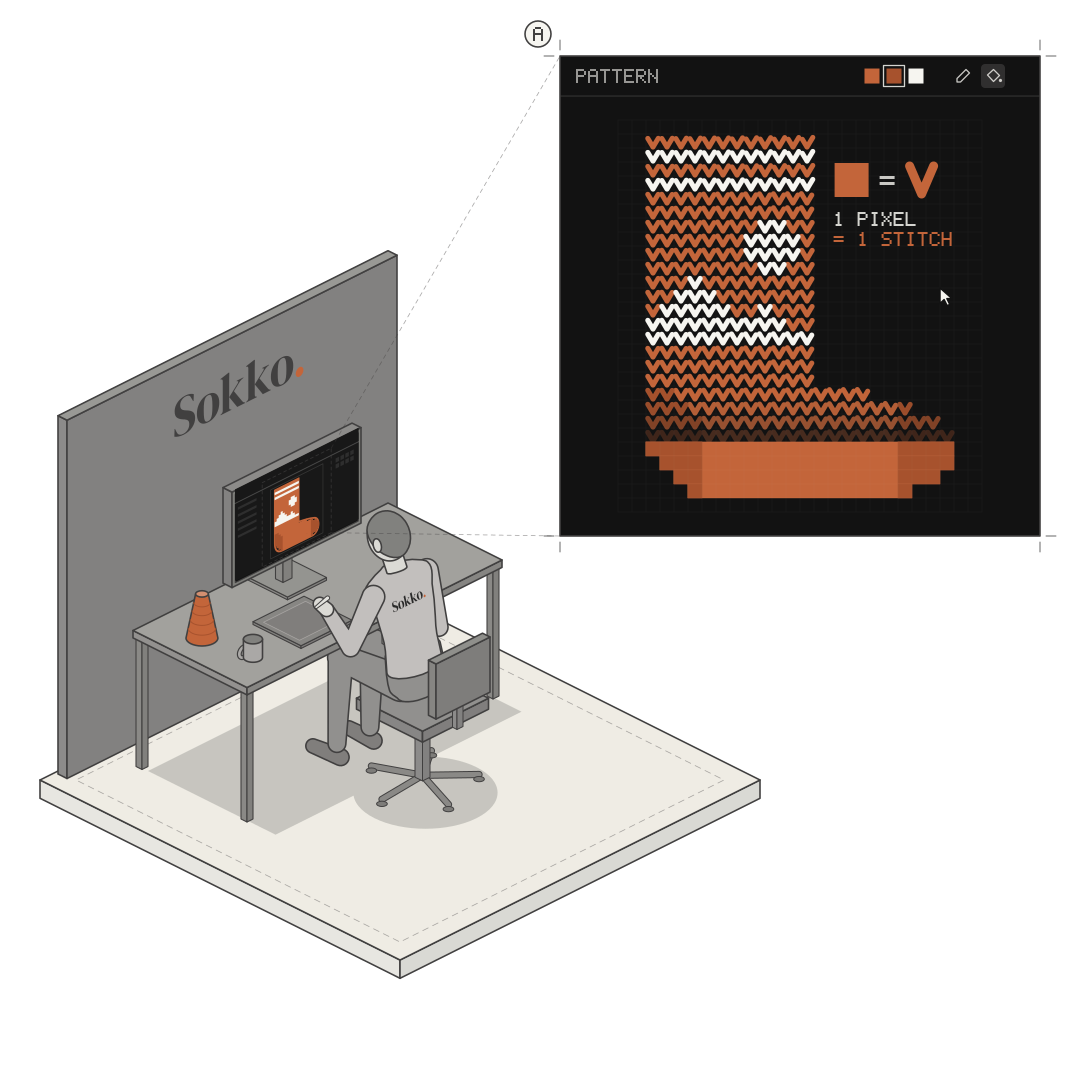
Modern sock knitting is digital. The design - colors, logo placement, cushioning zones, rib structure - is translated into a pattern file that tells the machine what every needle does on every rotation. This is where sock manufacturing technology has moved furthest in the last two decades: jacquard-capable machines knit multi-color logos, crests, and full-sock patterns directly into the fabric rather than printing them on top.
Programming and calibration take hours of skilled work per design, and that effort is the same whether the run is 50 pairs or 5,000. That fixed setup cost is the main reason minimum order quantities exist.
Step 3: Circular knitting
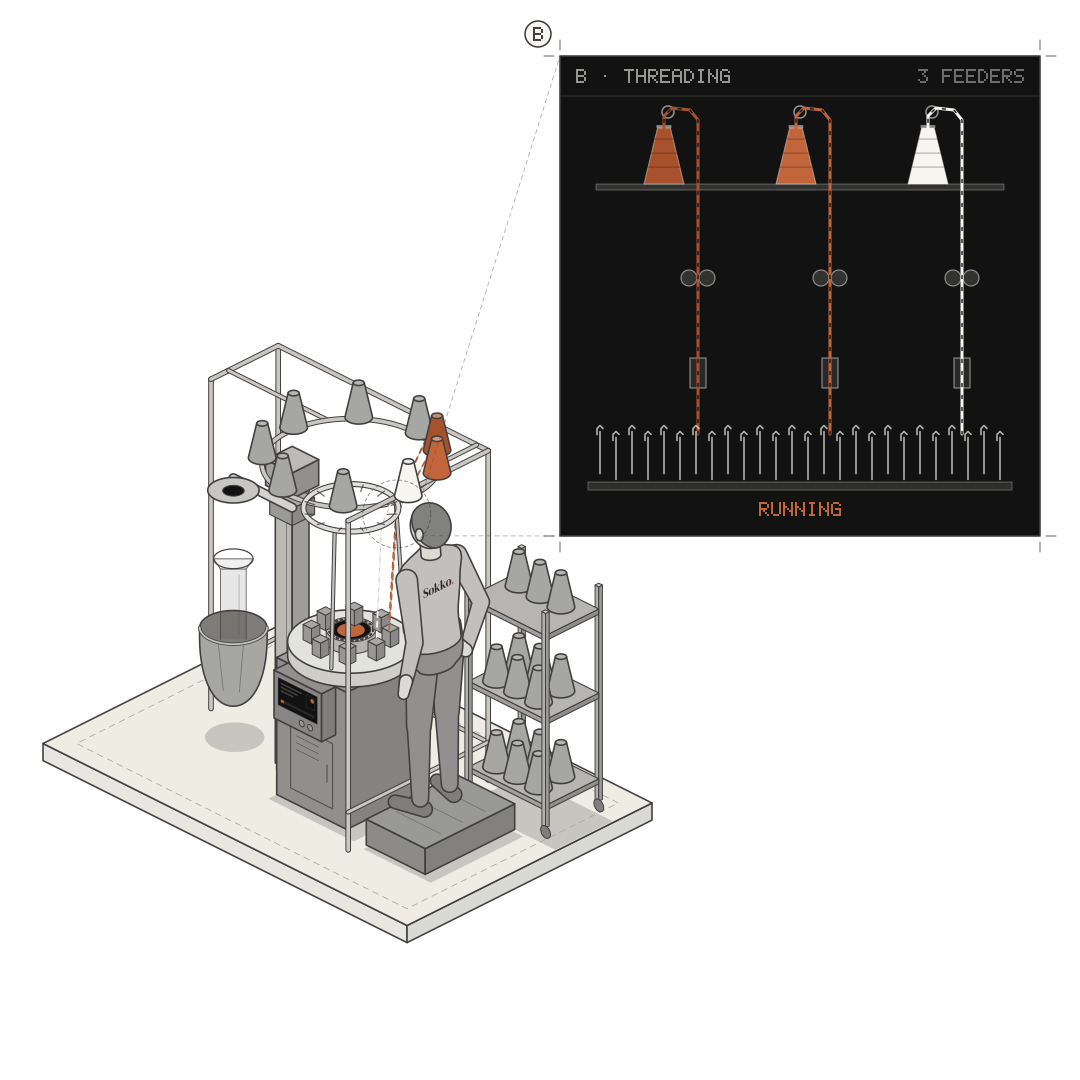
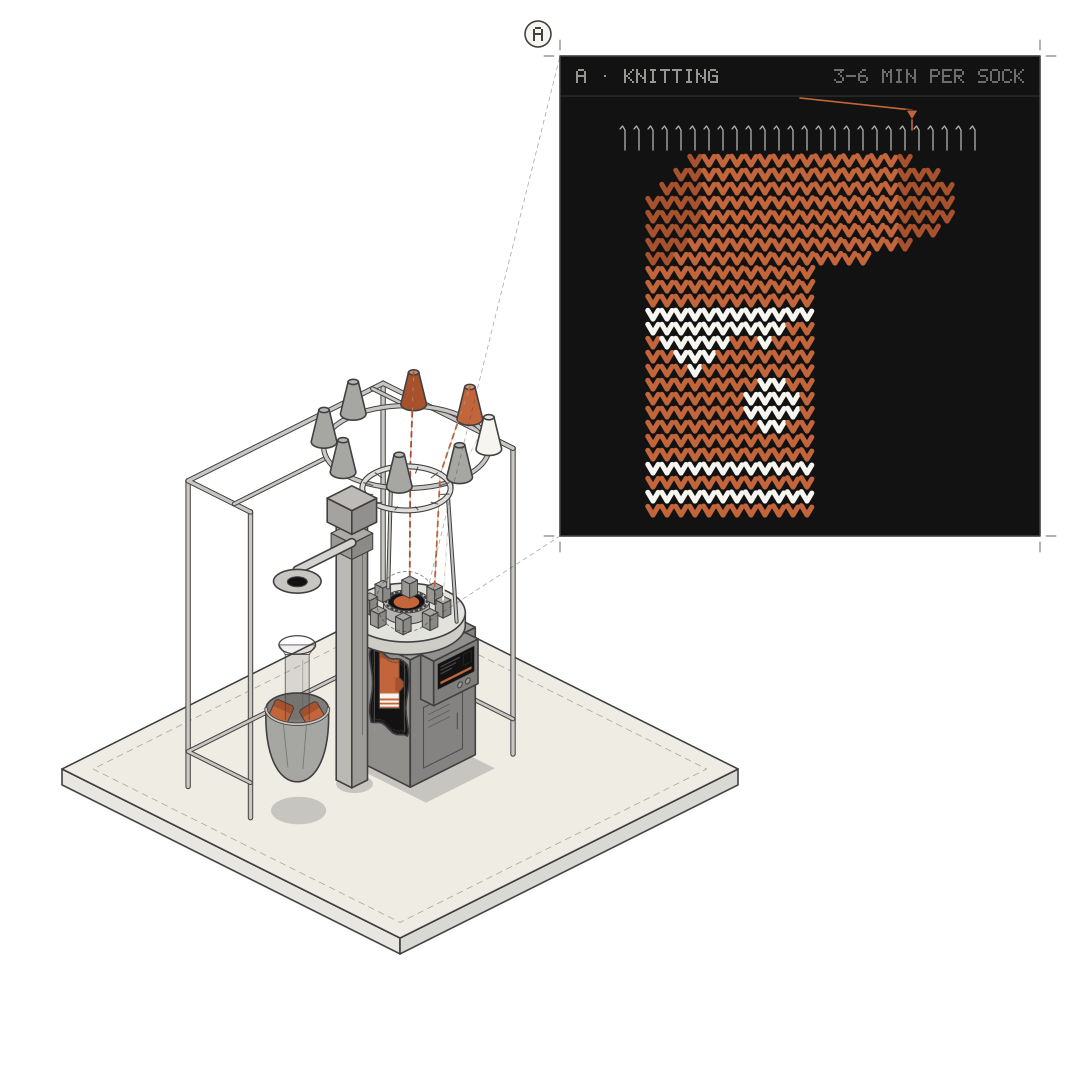
The sock is knit as one continuous tube on a circular knitting machine - a rotating cylinder ringed with needles. Cylinder sizes commonly run between roughly 96 and 200 needles: lower needle counts produce a chunkier, cushioned knit for sports and outdoor socks, higher counts a fine, dense fabric for dress socks.
During the same pass, the machine builds in the functional zones: terry loops for cushioning underfoot, mesh panels over the instep for breathability, ribbing on the leg for hold, and reinforced stitching at the heel and toe where socks wear out first. A single sock takes about 3 to 6 minutes to knit, depending on height and complexity. Our knitting floor in Istanbul runs 26 machines, which is how a boutique factory reaches 2.5M+ pairs of annual capacity.
Step 4: Toe closing
After knitting, the toe opening is closed, either within an integrated machine sequence or on separate equipment. The closing method affects how the seam feels:
- Seamed (rosso) closing is the fast standard method. It leaves a small ridge across the toe that most wearers never notice on casual socks.
- Machine-linked closing joins the toe loop by loop for a genuinely flat, seamless-feeling toe. It takes dedicated linking machines and careful setup, and it's what premium fashion, running, and comfort-focused socks use.
If a sample's toe seam bothers you, that's a construction conversation, not a defect - ask the manufacturer which closing method the quote assumes.
Step 5: Pre-washing and boarding
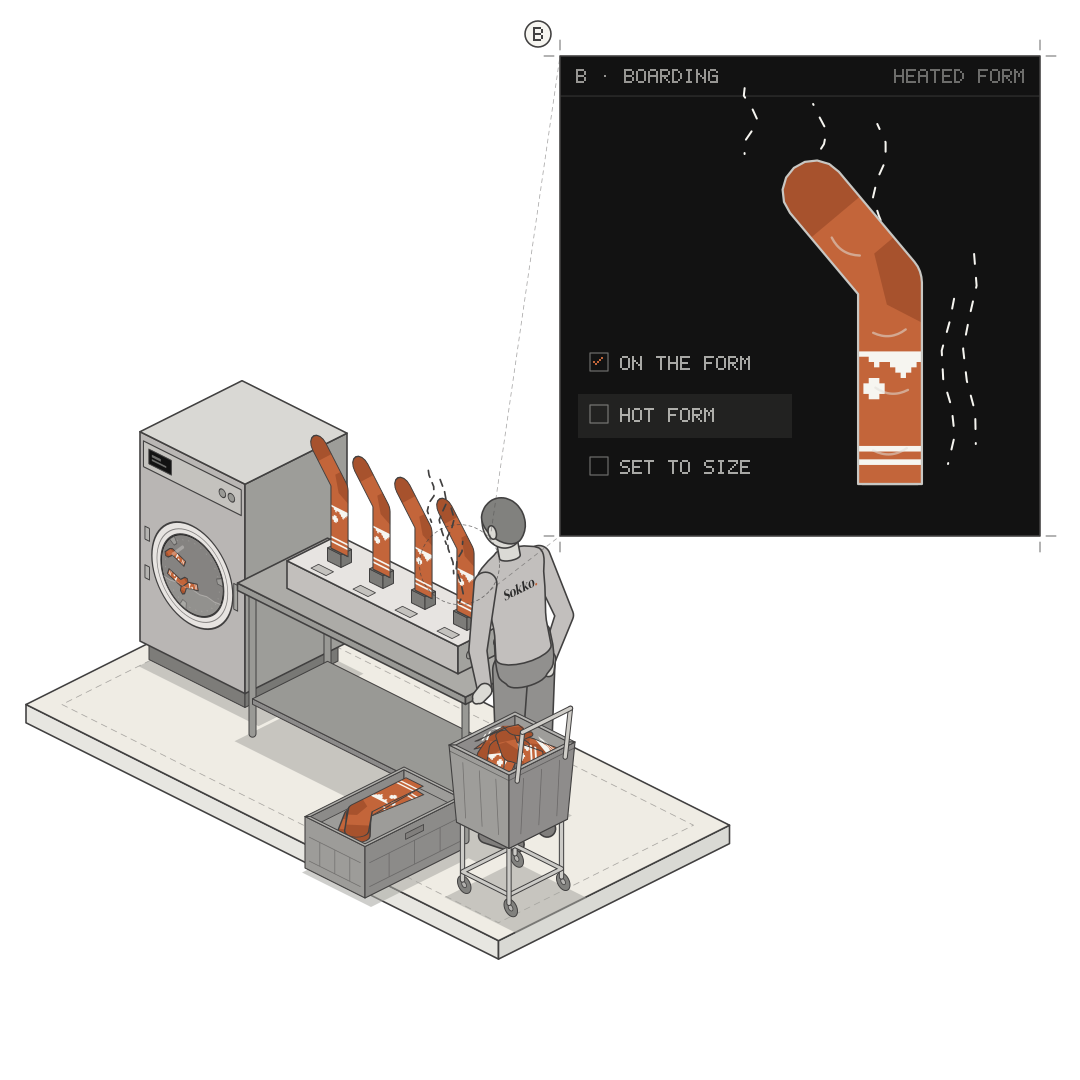
Freshly knit socks look loose and slightly shapeless. Every pair is pre-washed, then boarded: pulled over flat metal foot forms and set with steam and heat. Pre-washing softens the fabric before the customer ever touches it and takes the shrinkage out at the factory instead of in the first home washes. Boarding then locks in the final size and gives the sock the crisp, retail-ready silhouette you see in packaging photos. Skipping or rushing this step is why cheap socks sometimes arrive looking twisted or uneven.
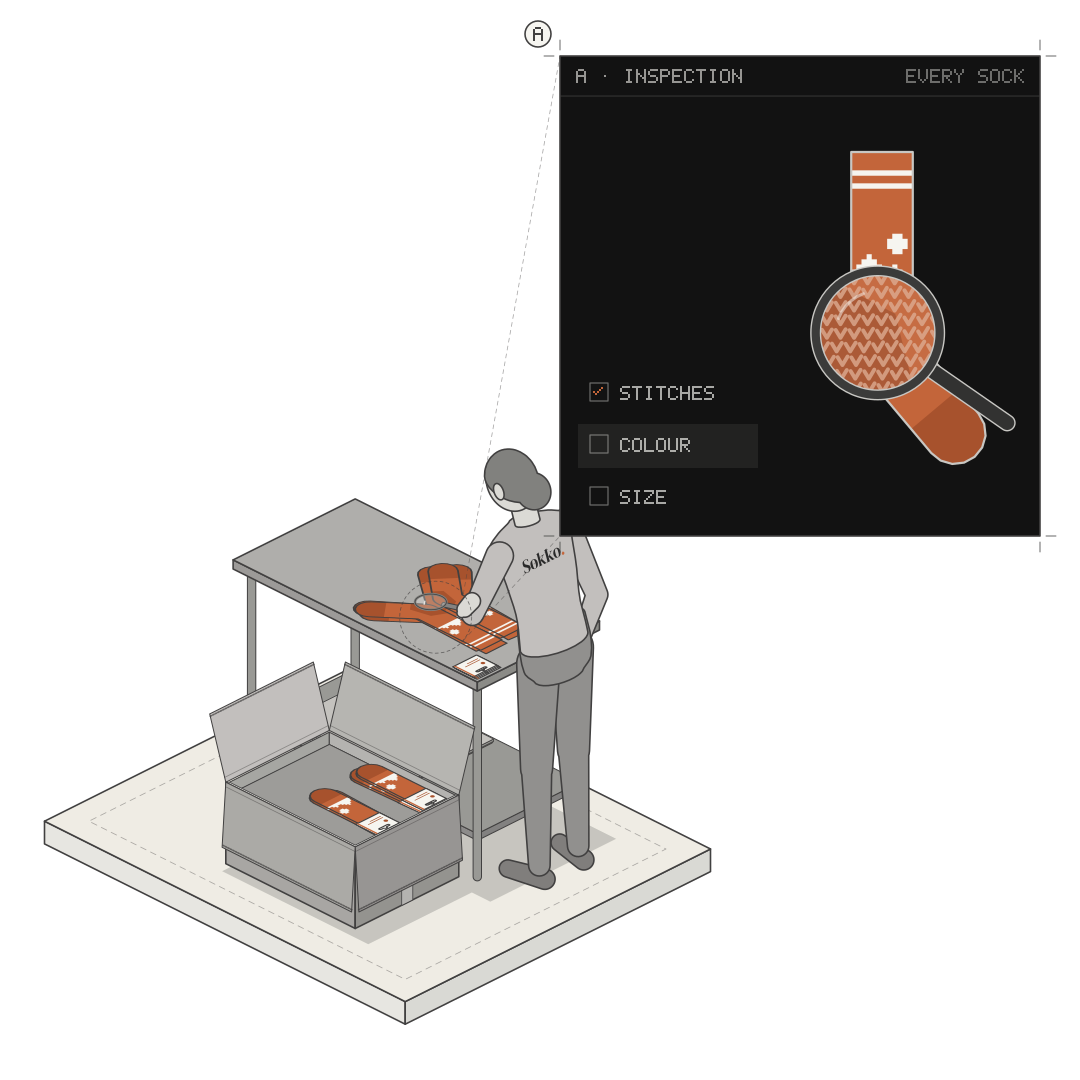
Step 6: Quality control and pairing
Good factories check quality at three points: yarn and color before knitting, in-line checks during the run, and a piece-by-piece inspection after boarding. Inspectors look for dropped stitches, tension inconsistencies, color deviation from the approved sample, and sizing drift. Then socks are paired, folded, and matched so both socks of a pair came from consistent production conditions.
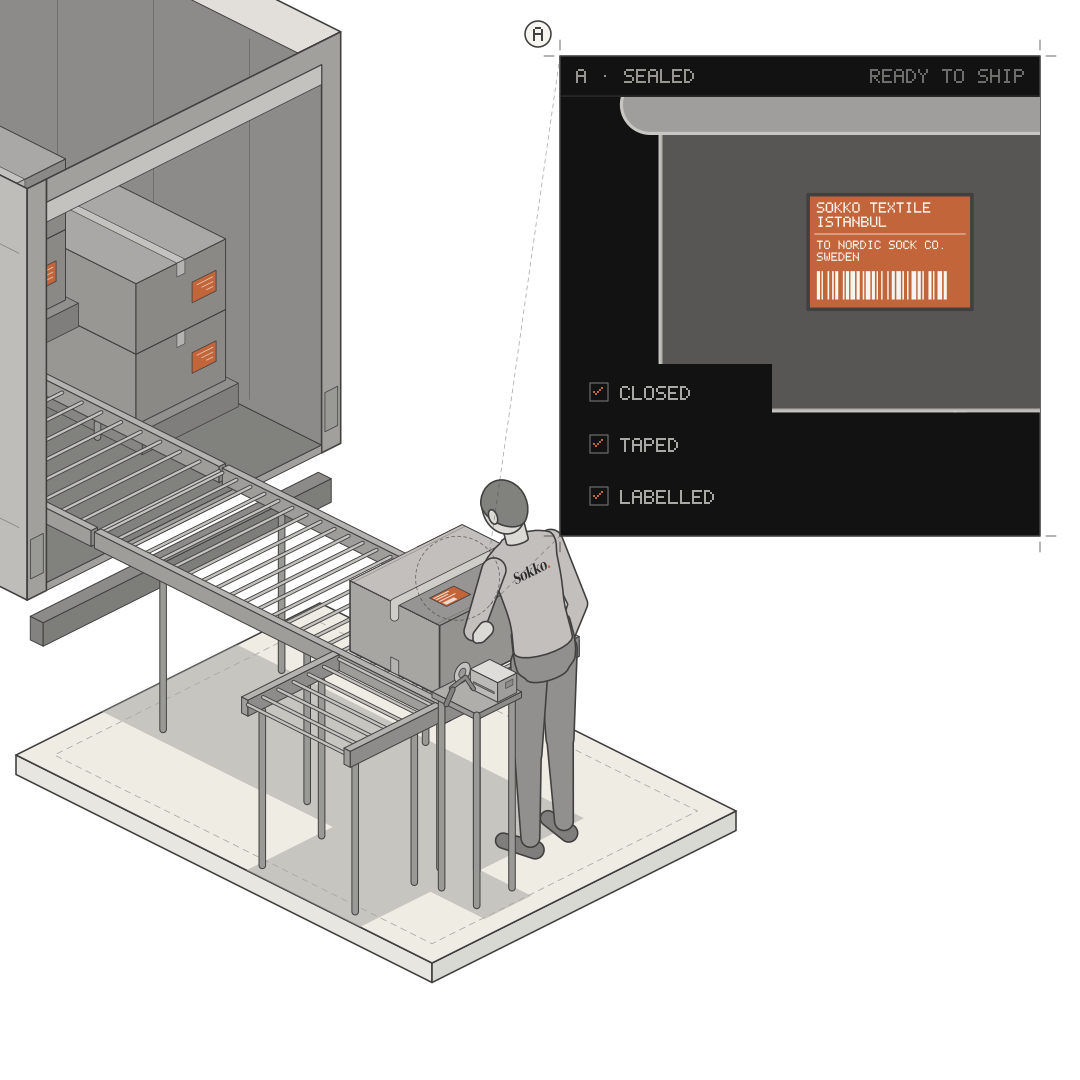
Step 7: Packaging and shipping
The last production step is where a sock becomes a product: hangtags, belly bands, branded sleeves, polybags, or retail boxes, applied by hand at the packing line. (Our packaging guide compares the options and their costs.) Finished cartons ship worldwide - DAP if you want delivery to your door, FOB if you run your own freight.
How long does the whole process take?
The knitting is minutes. The project is weeks. A realistic custom production timeline:
- Design and programming: a few days from approved artwork to a knittable pattern file. We turn quotes around within 24 hours of a brief.
- Sampling: 1 to 2 weeks to knit, finish, and ship a physical sample for approval.
- Bulk production: 3 to 6 weeks from approved sample to delivery, covering knitting, closing, boarding, QC, and packing.
What does it cost to make socks?
Four drivers set the price of a custom sock run:
- Yarn. Egyptian cotton costs more than standard combed cotton. Specialty performance yarns sit in between.
- Complexity. More colors, finer jacquard detail, machine-linked toes, and extras like grip printing add machine time and skilled labor.
- Packaging. A polybag and a retail gift box are very different line items per pair.
- Volume. Setup (programming, color matching, sampling) is roughly fixed per design, so per-pair cost falls as the run grows. This is the entire logic behind MOQs.
That's why serious manufacturers quote per project instead of publishing a price list - two 500-pair orders can cost meaningfully different amounts depending on those four choices. If you're costing a project, send us the spec and you'll have real numbers within 24 hours.
FAQ
How long does it take to make a pair of socks? A circular knitting machine knits a single sock in roughly 3 to 6 minutes, depending on height, needle count, and pattern complexity. A full production order takes longer than the knitting itself: sampling adds 1 to 2 weeks at the start, and a standard custom run takes 3 to 6 weeks from approved sample to delivery.
What machines are used to make socks? Circular sock knitting machines, which knit the sock as a continuous tube on a rotating cylinder of needles - commonly 96 to 200 of them. Jacquard-capable machines add multi-color pattern and logo knitting. Toe-closing equipment may be separate or integrated with the knitting machine, and boarding equipment sets the final shape.
What materials are socks made of? Almost always a blend: cotton for the body, polyamide for durability, elastane for stretch, with polyester blends for performance, bamboo viscose for softness, and mercerized or Egyptian cotton at the premium end. Even "100% cotton" socks typically contain 5 to 15% polyamide and elastane.
How much does it cost to make custom socks? It depends on yarn, complexity, packaging, and volume - setup cost is roughly fixed per design, so per-pair pricing falls as volume rises. True custom production starts at 50 pairs per design and size with a boutique manufacturer. Request a quote with your spec for real numbers.
Will the socks shrink after the first washes? No. Every pair is pre-washed at the factory before boarding, so shrinkage happens with us, not with your customer. The size and softness your customer unpacks is the size and softness that stays.
Understanding the process is half the picture. Choosing who runs it for you is the other half. Read the complete sock manufacturing buyer's guide, check whether you're talking to a manufacturer or a middleman, or, if the design side is what you need help with, our sock product development service takes a project from idea to production-ready tech pack.